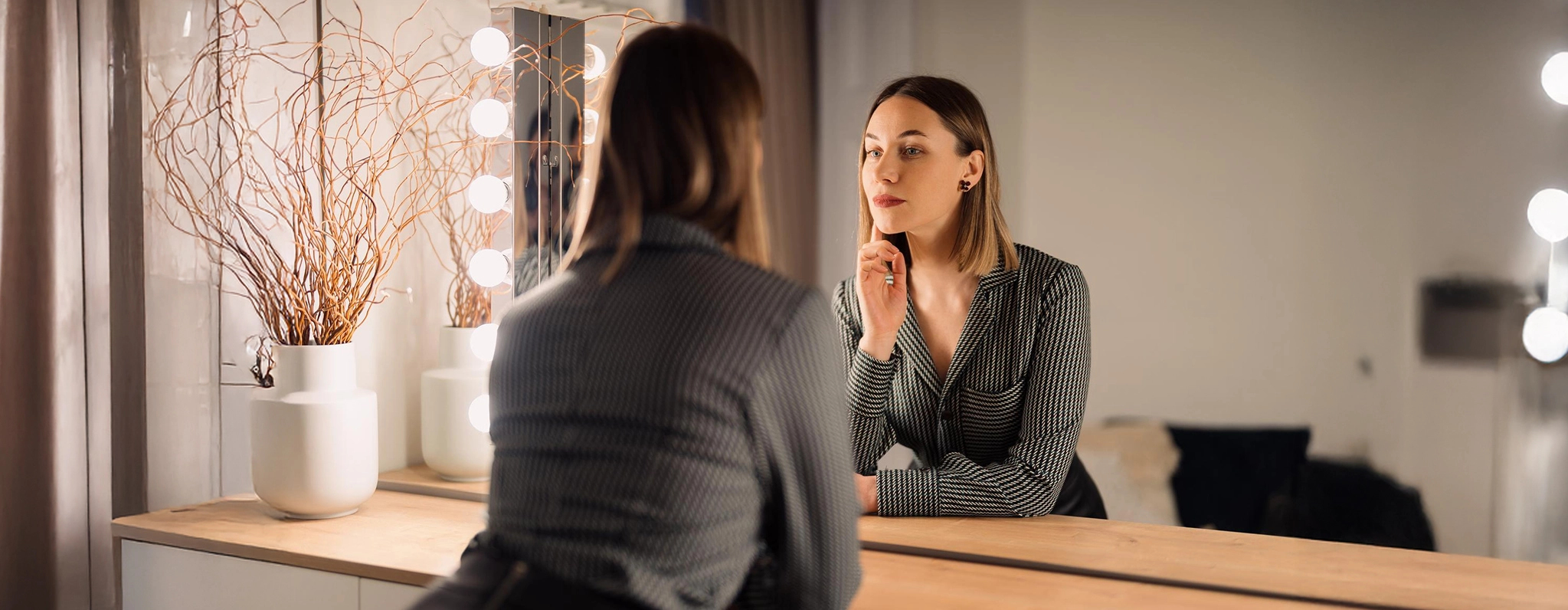
Nowadays, it seems like parents are on a never-ending quest to fill their children’s days with activities. Reflecting on my own childhood, I recall helping my grandma in the kitchen, playing by myself at home, or getting lost in a book. Back then, we didn’t have daily activities lined up for us. This relentless need to keep kids occupied has created a generation of children who are overstimulated and easily bored. But is this really the best approach?
The Overstimulation Trap
Many moms today find themselves trapped in a cycle of constant activity. They shuttle their kids from one event to another, trying to keep them entertained and engaged. Yet, when these kids face a moment of inactivity, they become restless and irritable. They throw tantrums when they have to stay home or get bored quickly at places they visit.
This pattern of overstimulation is concerning. When children are continually bombarded with activities and entertainment, they never learn to be content with stillness. They become accustomed to a high level of stimulation and crave more and more, never satisfied with simply being.
The Science Behind Boredom and Creativity
Boredom is often seen as something to be avoided, but it actually plays a crucial role in fostering creativity and problem-solving skills. According to Dr. Sandi Mann, a psychologist at the University of Central Lancashire, boredom encourages daydreaming, which leads to creative thinking. When children are bored, they are forced to use their imagination and come up with their own ways to entertain themselves.
A study published in the “Journal of Experimental Social Psychology” found that participants who were bored

performed better on creativity tasks than those who were not. This suggests that boredom can act as a catalyst for creative thinking, pushing individuals to explore new ideas and possibilities.
The Art of Doing Nothing
In our fast-paced world, we’ve lost touch with the art of doing nothing. Relaxation has become a rare commodity, and even moments of downtime are filled with distractions. But learning to be still and enjoy the present moment is essential for our well-being.
As Blaise Pascal famously said, “All of humanity’s problems stem from man’s inability to sit quietly in a room alone.” This inability to be alone with our thoughts is mirrored in our children. They are constantly seeking external stimulation and are rarely given the opportunity to sit quietly and reflect.
Finding Balance
While it’s important to engage children in activities that stimulate their minds and bodies, it’s equally important to allow them time to relax and be bored. Here are some tips for finding balance:
Set Limits on Activities: Resist the urge to fill every moment of your child’s day with planned activities. Allow for unstructured playtime where they can use their imagination and creativity.
Encourage Independent Play: Give your child opportunities to play alone. This helps them develop independence and the ability to entertain themselves without constant supervision or stimulation.
Model Relaxation: Show your child that it’s okay to have downtime. Read a book, meditate, or simply sit and enjoy a quiet moment. When they see you valuing relaxation, they will learn to do the same.
Create a Calming Environment: Designate a space in your home where your child can go to relax. Fill it with books, art supplies, and other quiet activities. Encourage them to spend time there when they need a break.
Practice Mindfulness: Teach your child mindfulness techniques to help them appreciate the present moment. Simple exercises like deep breathing or focusing on their surroundings can help them develop a sense of calm and awareness.
The Magic of Inactivity
Life is rich and beautiful, even in its quietest moments. By embracing the magic of inactivity, we can help our children develop a deeper appreciation for the present moment and the simple pleasures of life. Encouraging them to be still and enjoy their own company will foster resilience, creativity, and a sense of inner peace.
In conclusion, while it’s natural to want to keep our children engaged and entertained, it’s important to remember the value of boredom and inactivity. By finding a balance, we can help our children grow into well-rounded individuals who appreciate both the excitement and the calm that life has to offer. So next time your child complains of being bored, see it as an opportunity for them to explore their creativity and discover the magic within the stillness.