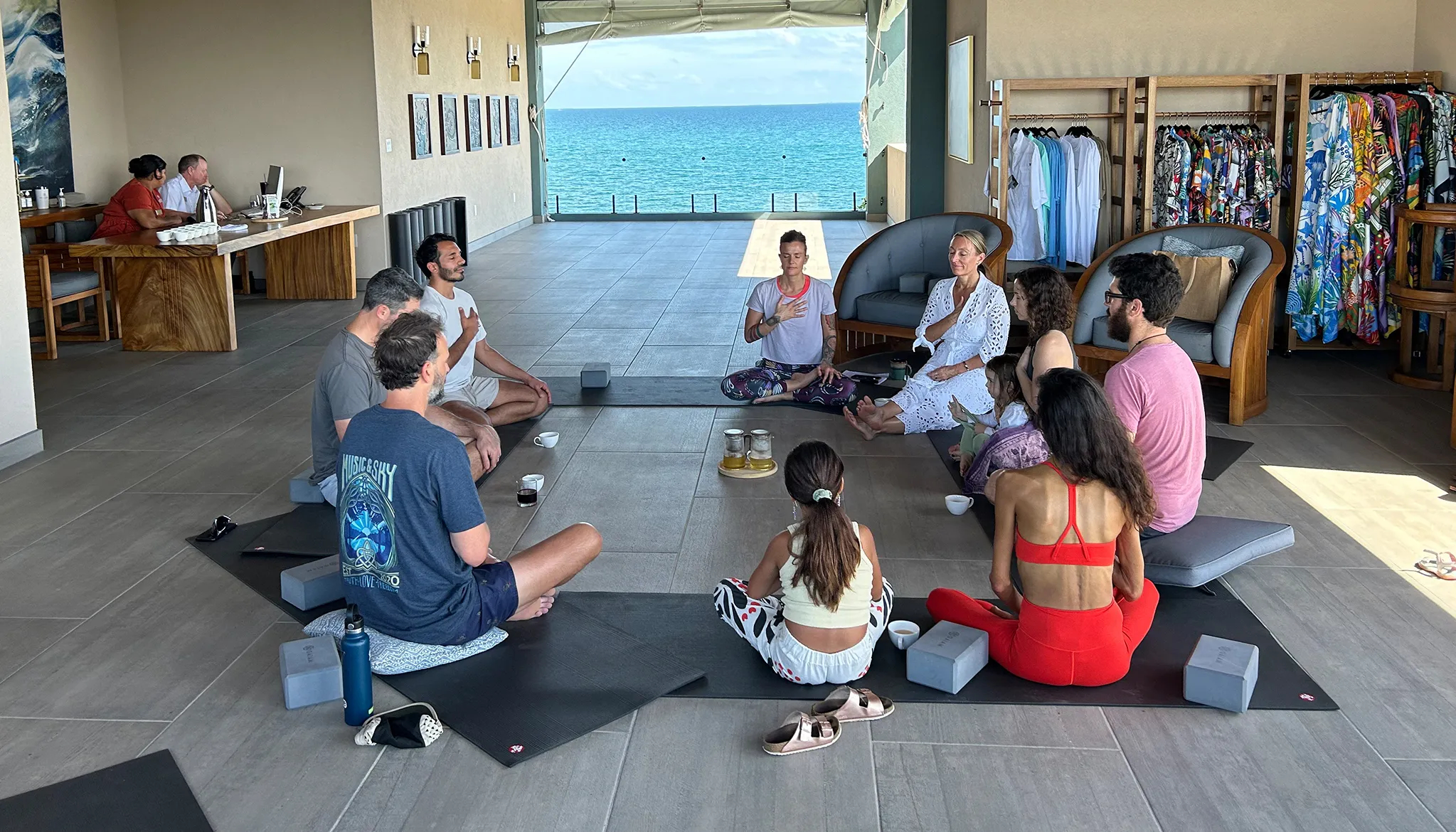
Gratitude is more than a fleeting emotion or a polite response to kindness. It’s a powerful state of being, deeply intertwined with our perception of abundance and happiness. As Dr. Joe Dispenza beautifully puts it, “Gratitude is the ultimate state of receivership.” This insight invites us to explore how gratitude can shape our lives and enrich our experiences.
To understand the depth of gratitude, it’s helpful to reflect on what it truly means to be grateful. Is gratitude merely saying “thank you” when someone offers you something, or does it represent a deeper, more sustained state of mind?
Gratitude is about recognizing and appreciating the good things in our lives, no matter how small. It’s a mindset that acknowledges the abundance we already possess. When we adopt this perspective, we shift our focus from what we lack to what we have. But what happens when we embrace gratitude on a greater level?
Gratitude as a State of Receivership
Dispenza’s assertion that gratitude is the ultimate state of receivership highlights a transformative concept: when we are genuinely grateful, we align ourselves with a state of openness and receptivity. In this state, we are more attuned to the positive aspects of our lives and more likely to attract additional blessings.
This idea suggests that gratitude is not just about acknowledging what we have but also about creating space for more to flow into our lives. When we are truly grateful, we radiate a frequency that attracts more of what we appreciate. It’s as if our gratitude acts as a magnet for positive experiences and opportunities.
Teaching Our Kids the Power of Gratitude
Instilling a sense of gratitude in our children is crucial for their emotional and psychological development. The song “Thankful” by the Juicebox Jukebox is a wonderful tool for this purpose. It’s a fun and engaging way to introduce kids to the concept of gratitude. Through its catchy lyrics and upbeat melody, the song teaches children to appreciate the simple joys in life, from having a warm bed to enjoying a sunny day.
But beyond the song, how can we make gratitude a natural part of our children’s lives?
1. Modeling Gratitude: Children learn by example. When we, as parents, openly express gratitude for the everyday blessings in our lives, our children observe and internalize these behaviors. Simple acts like saying “thank you” and acknowledging the kindness of others can teach them the value of appreciation.
2. Practicing Gratitude Together: Setting aside time each day to reflect on what we’re thankful for can be a powerful family ritual. This could be during dinner, bedtime, or a dedicated gratitude moment. Sharing what we appreciate about each other and our lives can help reinforce the habit of gratitude.
3. Creating Gratitude Rituals: Encourage your children to keep a gratitude journal or create a “gratitude jar” where they can add notes about things they’re thankful for. This practice not only helps them recognize their blessings but also fosters a positive outlook on life.
How Does Gratitude Affect Our Lives?
When we cultivate a grateful mindset, we shift our focus from scarcity to abundance. This shift can have significant effects on our well-being. Studies have shown that practicing gratitude can lead to increased happiness, better health, and stronger relationships.
Consider the simple act of acknowledging something positive in our lives. Whether it’s a supportive friend, a beautiful sunset, or a moment of laughter with family, these acknowledgments can enhance our sense of fulfillment. When we consistently practice gratitude, we train our minds to notice and appreciate the good, which in turn attracts more positive experiences.
In exploring our own practices of gratitude, we might ask ourselves some contemplative questions:
– What are the things I’m most grateful for in my life right now?
– How often do I express my gratitude to those around me?
– In what ways can I deepen my appreciation for the everyday blessings I might take for granted?
By reflecting on these questions, we can gain insight into our own attitudes toward gratitude and find ways to enrich our lives further.
Transforming Lives
Gratitude is a powerful state of being that can transform our lives. As Dr. Joe Dispenza points out, gratitude is the ultimate state of receivership, suggesting that our ability to attract more blessings is directly linked to our appreciation for what we already have.
By teaching our children the value of gratitude and incorporating it into our daily lives, we create a positive cycle of abundance and happiness. We can embrace gratitude not just as an occasional practice but as a way of life, allowing it to guide us toward greater fulfillment and joy.